Embossing vs Debossing vs Foil: A Simple Guide to Box Finishes
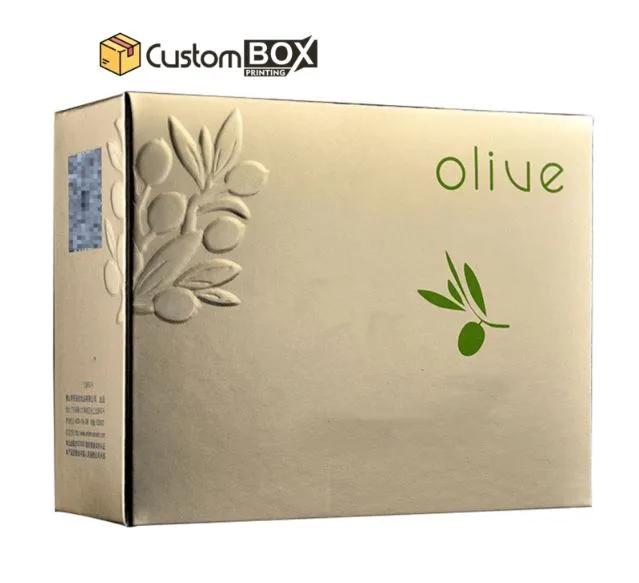
Embossing is one of the easiest ways to make a box feel premium. But it is often confused with debossing and foil. To use the right finish, you need to know what each one does and when it works best. This guide explains embossing, debossing, foil, and a few related finishes in plain terms, so US brands can choose the right look for their packaging.
Quick answer: embossing vs debossing vs foil
- Embossing raises a design so it stands up off the surface.
- Debossing presses a design down so it sinks into the surface.
- Foil stamping adds a shiny metallic design, flat or combined with an emboss.
- All three add a premium, tactile feel, and we charge no setup or die fees.
What is embossing?
Embossing presses a design into the board from behind so it rises above the surface. You can see and feel the raised logo. It catches the light and adds a rich, hands-on feel. Brands use it on logos, names, and patterns. See our embossed boxes for examples.
What is debossing?
Debossing is the opposite of embossing. It presses the design down so it sinks into the surface. The result is subtle and modern. Use it when you want a clean, quiet look instead of a raised one.
What is foil stamping?
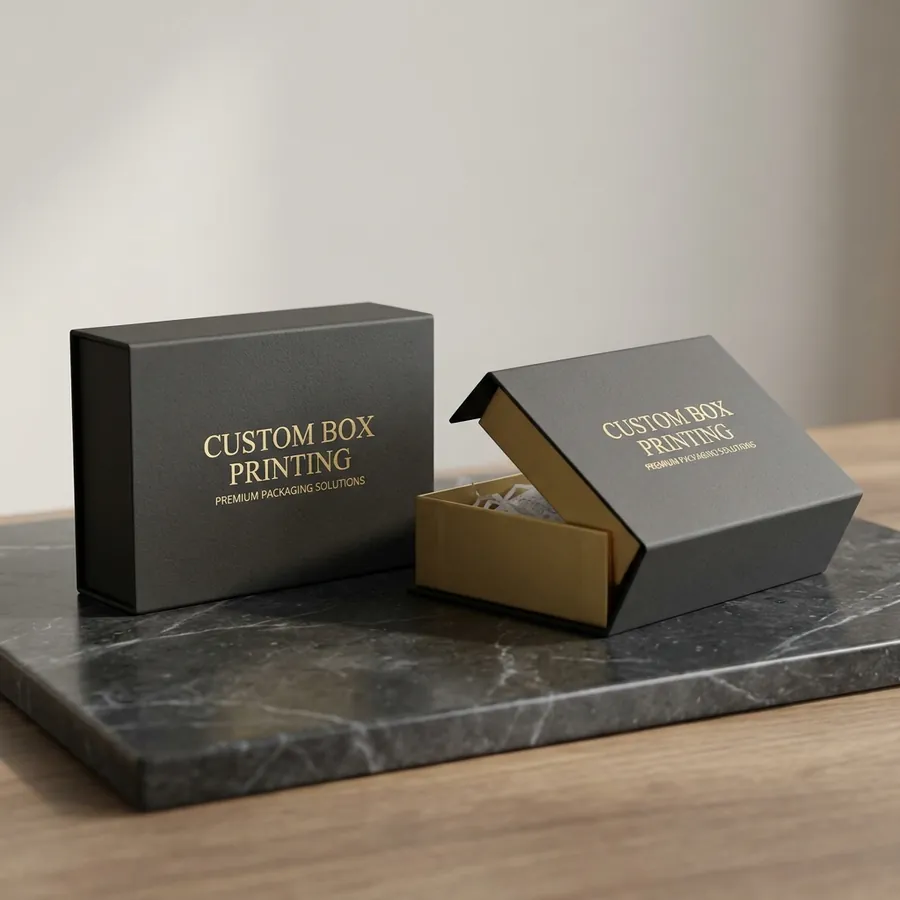
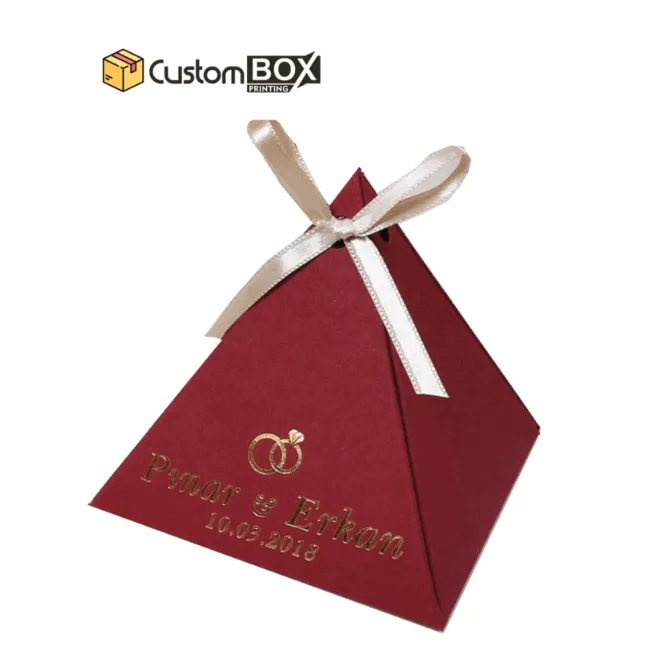
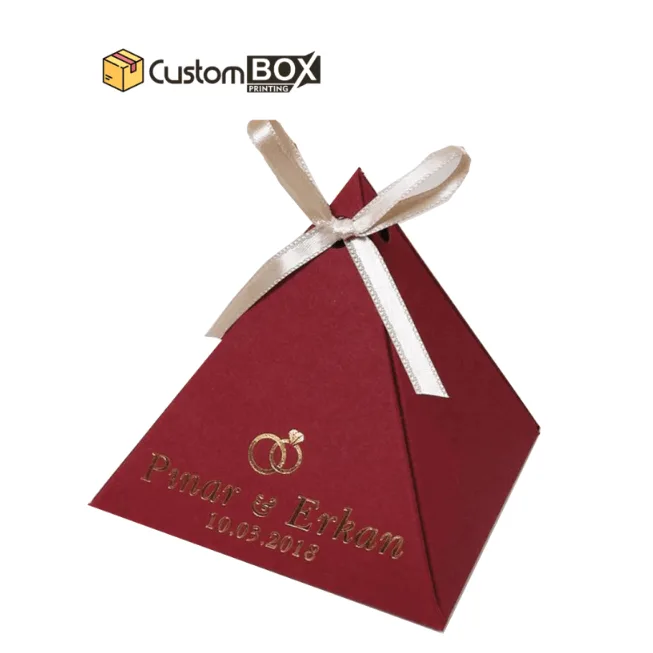
Foil stamping adds a thin layer of shiny foil to the design. It makes a bright accent in gold, silver, rose gold, or other colors. Foil draws the eye to a logo or detail. See foil stamped boxes. You can also combine foil with an emboss for a raised, shiny effect.
Embossing vs debossing vs foil: a quick comparison
| Finish | What it does | Best for |
|---|---|---|
| Embossing | Raised design you can feel | Logos and a premium, tactile feel |
| Debossing | Pressed-in, sunken design | A subtle, modern, understated look |
| Foil stamping | Shiny metallic design | Luxury accents and standout logos |
| Blind emboss | Raised design with no ink or foil | Elegant, tone-on-tone branding |
| Spot UV | Glossy raised-look coating | Shiny contrast on a matte box |
When should I use embossing?
Use embossing when you want the box to feel rich the moment someone picks it up. It shines on:
- Cosmetic and perfume boxes, where a soft feel signals class.
- Rigid boxes and gift boxes, where the unboxing is part of the product.
- Soap and artisan boxes, where a raised logo adds a handcrafted feel.
For more on premium opens, see our guide to the branded unboxing experience.
What materials work best for embossing?
Thicker, uncoated, and textured stocks emboss best, which is why rigid boxes and premium cartons show the effect so clearly. Kraft also embosses nicely for a natural, crafted look. Thin or heavily coated stocks hold the shape less well. Not sure which stock to pick? Read our box material guide.
Does embossing cost extra?
Embossing is an add-on finish, so it adds some cost. The good news: we charge no setup, plate, or die fees, so it stays affordable even on short runs from 100 units. For a full breakdown of what drives price, see how much custom boxes cost.
Frequently asked questions
What is embossing on a box?
Embossing presses a design into the board from behind so it rises above the surface. You can see and feel the raised logo or pattern, which gives the box a premium, tactile look.
What is the difference between embossing and debossing?
Embossing pushes the design up so it is raised. Debossing presses the design down so it is sunken. Embossing stands out and catches light; debossing looks subtle and modern.
What is blind embossing?
Blind embossing is a raised design with no ink or foil on it. The shape shows through light and shadow alone, giving a clean, tone-on-tone, high-end effect.
Does embossing cost extra?
Embossing is an add-on finish, so it adds some cost, but we charge no setup, plate, or die fees. That keeps it affordable even on short runs from 100 units.
Can you combine embossing and foil?
Yes. Combining a raised emboss with metallic foil is a popular luxury effect for logos on cosmetic, perfume, and gift boxes.
What materials can be embossed?
Thicker, uncoated, and textured stocks emboss best, which is why rigid boxes and premium cartons show the effect so well. Kraft also embosses nicely for a natural look.
Want a premium, tactile box? Custom Box Printing adds embossing, debossing, and foil to custom embossed boxes and the rest of our range, with free design help, a free 3D mockup, a sample (refunded on your first order), and free US shipping, starting at 100 units with no die fees. Request a free quote to see your logo embossed.
Ordering custom boxes — common questions
What is the minimum order for custom boxes?
Runs start at 100 units for folding cartons (cosmetic, food, bakery, CBD, mailer), 50 units for rigid setup boxes, and 5,000 units for printed paper (deli, butcher, tissue, kraft, sandwich wrap). No die, plate, or setup fees at any quantity.
Do you ship custom boxes free in the US?
Yes — standard shipping is free anywhere in the contiguous United States on every order. Rush production (3–5 business days) and expedited shipping are available for an additional fee.
How long does a custom box order take?
Typical timeline is 1 business day for a quote, 1–2 days to approve a free 3D digital mockup, then 7–10 business days for production plus 2–5 business days for free US shipping. Rush production is available on request.
Can I see a sample before I commit to a full order?
Yes — free 3D digital mockup with every quote, and a physical sample on request (refunded on your first order) before you place a production run. You can also design and preview your box live in our free 3D box designer.
What artwork files do you need to start printing?
Print-ready PDF, AI, EPS, or PSD at 300 DPI in CMYK with 0.125" bleed is ideal. Don't have artwork? Our in-house design team builds your dieline and preps files at no cost — just send your logo and any brand references.
Do you charge setup, plate, or die-cutting fees?
No — there are no setup, plate, die, or tooling fees at any quantity. Custom dielines, artwork prep, 3D mockups, and physical samples are all included free with every order.