What Are Archival Boxes? An Acid-Free Storage Guide
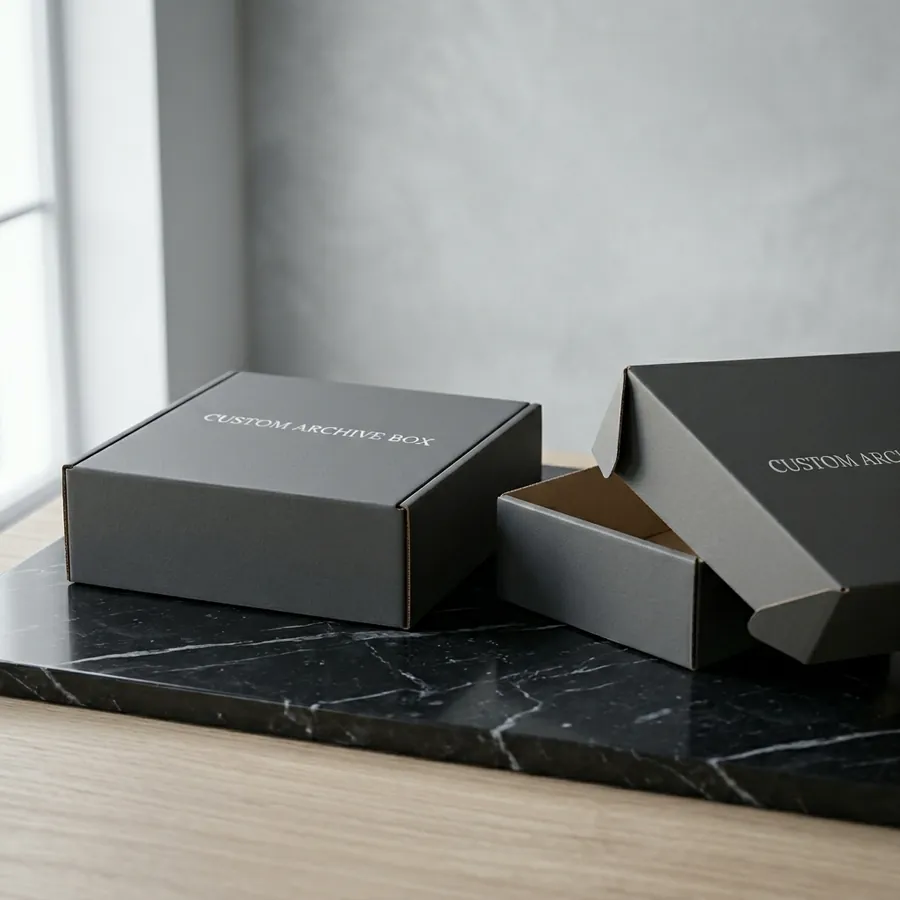
An archival box keeps important things safe for the long term. Think old documents, family photos, artwork, and keepsakes. A normal box can slowly damage these items. An archival box is built so it does not. The secret is acid-free, lignin-free board. This guide explains what archival boxes are, why those terms matter, and when to use one, in plain words for US offices, studios, and collectors.
Quick answer: what makes a box archival
- Acid-free board so it does not yellow or weaken your items.
- Lignin-free board so it does not break down over time.
- Sturdy build that protects from crushing, dust, and light.
- The right size so items lie flat and do not bend.
What is an archival box?
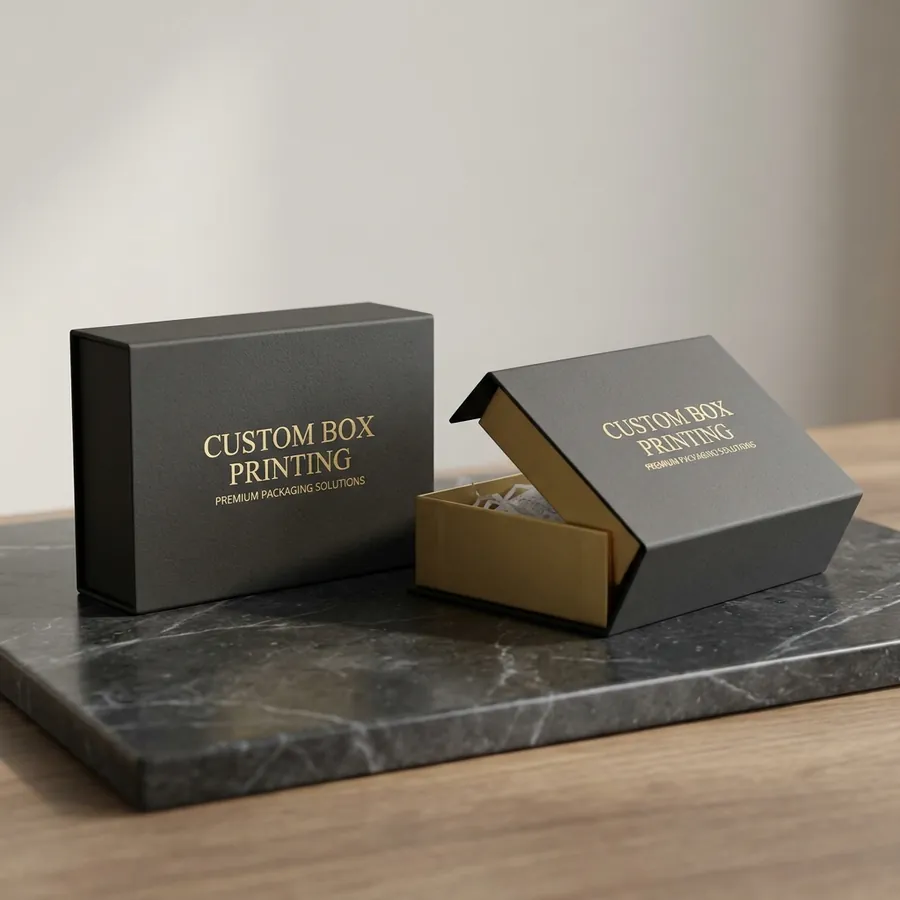
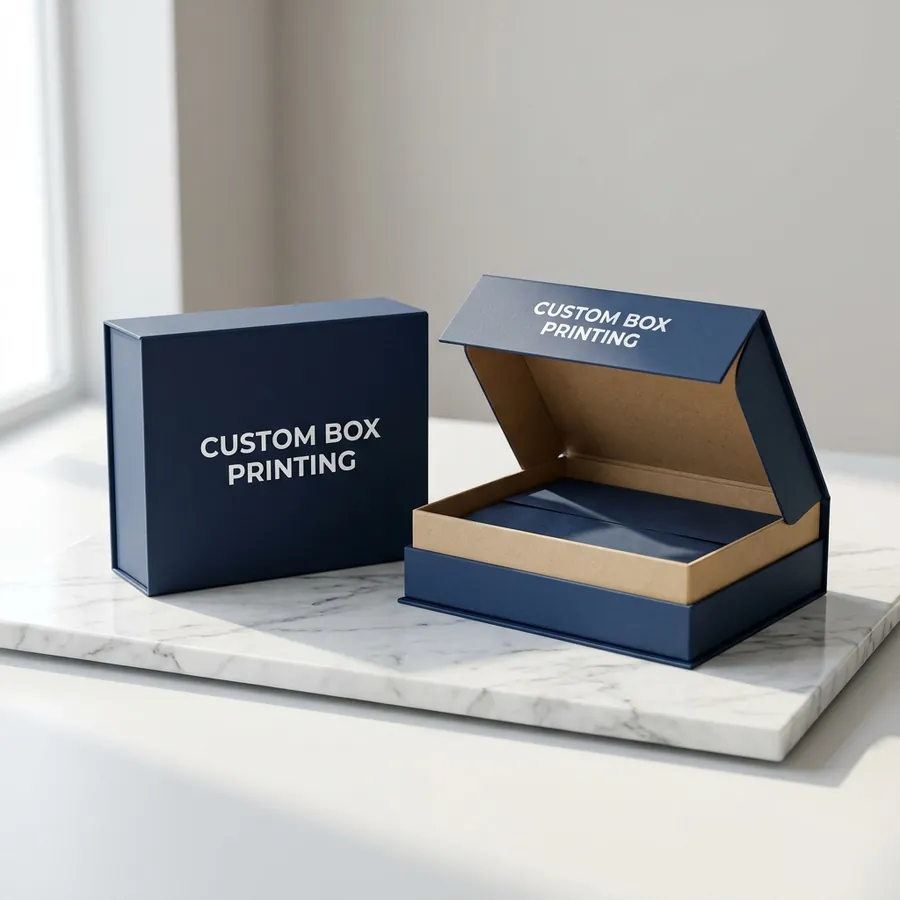
An archival box is a storage box made to protect items for many years. It uses special board that will not harm what is inside. Libraries, museums, offices, and collectors use them to keep records and treasures safe. See our custom archive boxes.
Why does acid-free matter?
Regular cardboard contains acid. Over time, that acid touches your papers and photos and damages them. It makes paper turn yellow and go brittle. Acid-free board has the acid removed. So your documents and photos stay safe for decades. This is the single most important feature of an archival box.
What is lignin-free board?
Lignin is a natural part of wood pulp. It breaks down slowly and yellows paper as it does. Lignin-free board has it removed. Together, acid-free and lignin-free board give the long life that archival storage needs.
What can I store in an archival box?
Archival boxes suit anything you want to keep safe for years:
- Documents, records, and legal files.
- Photos, letters, and artwork.
- Textiles, prints, and keepsakes.
For media, see our CD and DVD storage boxes.
What size do I need?
Match the box to what you store. Letter and legal sizes fit documents and office records. Flat, shallow boxes suit photos and prints so they lie flat. We can build a custom size to fit your exact items. For help, read our guide on how to measure a box.
How much do archival boxes cost?
Cost depends on the size, board, and quantity. Acid-free board costs a little more than plain cardboard. Larger orders cost less per box. Runs start at 100 units with no setup or die fees. For a full breakdown, see how much custom boxes cost.
Frequently asked questions
What is an archival box?
An archival box is a sturdy storage box made to protect items for the long term. It uses acid-free, lignin-free board so papers, photos, and keepsakes do not yellow or break down over time.
Why does acid-free matter?
Acid in regular cardboard slowly damages what it touches. It makes paper turn yellow and brittle. Acid-free board has the acid removed, so it keeps documents and photos safe for decades.
What is lignin-free board?
Lignin is a natural part of wood pulp that breaks down and yellows paper over time. Lignin-free board has it removed, which is why it is used for long-term archival storage.
What can I store in an archival box?
Use them for documents, photos, letters, artwork, textiles, and keepsakes. Offices use them for records, and studios and collectors use them to protect prints and fragile items.
What size archival box do I need?
Match the box to what you store. Letter and legal sizes suit documents and records. Flat, shallow boxes suit photos and prints. We can build a custom size to fit your items.
Is there a minimum order for archival boxes?
Runs start at 100 units with no setup or die fees, so an office, studio, or small archive can order custom archival boxes without a large minimum.
Need to protect what matters? Custom Box Printing makes acid-free custom archive boxes for US offices, studios, and collectors, with custom sizes, free design help, a sample (refunded on your first order), and free US shipping, starting at 100 units. Request a free quote to get started.
Ordering custom boxes — common questions
What is the minimum order for custom boxes?
Runs start at 100 units for folding cartons (cosmetic, food, bakery, CBD, mailer), 50 units for rigid setup boxes, and 5,000 units for printed paper (deli, butcher, tissue, kraft, sandwich wrap). No die, plate, or setup fees at any quantity.
Do you ship custom boxes free in the US?
Yes — standard shipping is free anywhere in the contiguous United States on every order. Rush production (3–5 business days) and expedited shipping are available for an additional fee.
How long does a custom box order take?
Typical timeline is 1 business day for a quote, 1–2 days to approve a free 3D digital mockup, then 7–10 business days for production plus 2–5 business days for free US shipping. Rush production is available on request.
Can I see a sample before I commit to a full order?
Yes — free 3D digital mockup with every quote, and a physical sample on request (refunded on your first order) before you place a production run. You can also design and preview your box live in our free 3D box designer.
What artwork files do you need to start printing?
Print-ready PDF, AI, EPS, or PSD at 300 DPI in CMYK with 0.125" bleed is ideal. Don't have artwork? Our in-house design team builds your dieline and preps files at no cost — just send your logo and any brand references.
Do you charge setup, plate, or die-cutting fees?
No — there are no setup, plate, die, or tooling fees at any quantity. Custom dielines, artwork prep, 3D mockups, and physical samples are all included free with every order.