Food Wrapping Paper Types: How to Choose the Right One
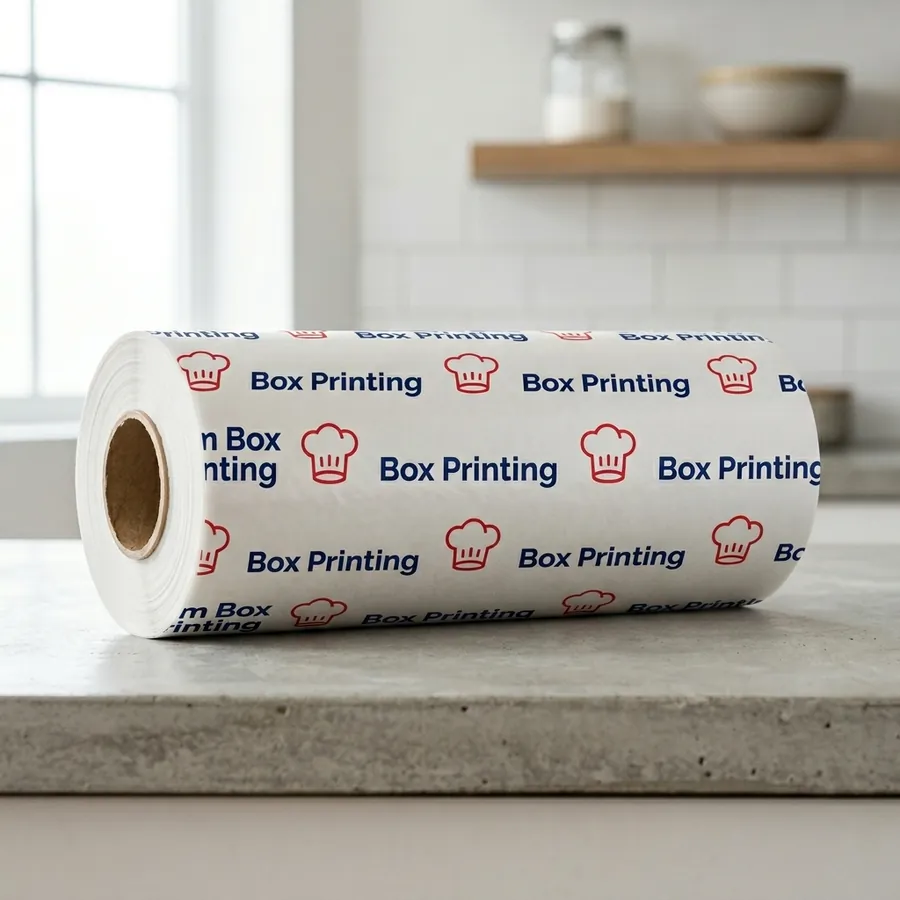
Branded food paper is a simple way to make your food look better and your brand stick. But not all food paper is the same. Deli paper, butcher paper, parchment, and chip paper each do a different job. To choose the right one, match the paper to your food, check how greasy the food is, and make sure it is food-safe. This guide explains each type in plain terms, built for US delis, bakeries, butchers, and food trucks.
Quick answer: how to choose food paper
- Match the paper to the food. Sandwiches, meats, and fried food each need a different paper.
- Check the grease level. Oily food needs a grease-resistant or greaseproof barrier.
- Pick sheets or rolls. Sheets are fast at a counter; rolls let you cut to size.
- Confirm it is food-safe. Use food-safe paper and food-safe inks for direct contact.
Common types of food wrapping paper
Here is a quick guide to the main paper types and what each is for.
| Paper type | Best for | Why it works |
|---|---|---|
| Deli paper | Sandwiches, cold cuts, deli counters | Light grease resistance, folds clean, prints sharp |
| Sandwich wrap | Wraps, burgers, hot sandwiches | Grease-resistant and folds tight to hold heat |
| Butcher paper | Meats, BBQ, fish counters | Tough and breathable so meat stays fresh |
| Greaseproof paper | Fried and oily food | Strong oil barrier keeps hands and bags clean |
| Parchment paper | Baking, lining trays | Heat-safe and non-stick for the oven |
| Fish and chip paper | Fried takeout | Grease-resistant with a fun, retro print look |
| Bagel paper | Bagels, breads, pastries | Light and breathable for grab-and-go |
| Heat seal paper | Wrapped or sealed items | Seals with heat for a tight, tamper-clear close |
How do I match the paper to my food?
Start with the food, then ask two questions:
- How greasy is it? Fried food and buttery pastries need a grease-resistant or greaseproof paper. Dry items can use a lighter deli paper.
- Is it hot or baked? Hot wraps need a grease barrier. For the oven, use parchment, which is heat-resistant.
Once you know the answers, pick the paper from the table above. See the full range on our custom printed paper hub.
What is grease-resistant (greaseproof) paper?
Greaseproof paper has a barrier that stops oil from soaking through. It keeps the wrap clean, stops grease spots on bags, and makes food look fresh. Use it for fries, burgers, fried chicken, and rich pastries. Learn more on our greaseproof paper page.
Is custom printed food paper food-safe?
Yes. We print on quality paper with soy-based inks. For oily items, we use a grease-resistant stock so nothing soaks through. This keeps your food safe and your packaging clean.
Should I order sheets or rolls?
Use pre-cut sheets for fast wrapping at a counter, like sandwiches and deli items. Use rolls when you cut to size or line trays and baskets. Busy shops often keep both on hand.
How much does custom food paper cost?
Food paper is one of the lowest-cost ways to brand your food. Cost depends on size, paper type, and quantity. Larger orders cost less per sheet. Runs start at 5,000 sheets with no setup or die fees. For a general breakdown, see how much custom printing costs.
Frequently asked questions
What is the best paper for wrapping sandwiches?
Use deli paper or sandwich wrap. Both are lightly grease-resistant, fold tightly, and print your brand sharply. For greasy or hot fillings, choose a sandwich wrap with a stronger grease barrier.
What is grease-resistant paper?
Grease-resistant (greaseproof) paper has a barrier that stops oil from soaking through. It keeps hands and bags clean when you wrap fried food, burgers, or buttery pastries.
Can I use parchment paper in the oven?
Yes. Parchment paper is heat-resistant and non-stick, so bakeries use it to line pans and trays. It is different from wax paper, which is not made for the oven.
Should I order food paper in sheets or rolls?
Use pre-cut sheets for fast wrapping at a counter. Use rolls when you cut to size or line trays and baskets. Many shops keep both.
Is custom printed food paper food-safe?
Yes. We print on quality paper with soy-based inks. For oily items, we use a grease-resistant stock.
Is there a minimum order for custom food paper?
Runs start at 5,000 sheets with no setup or die fees — the sheet-fed press economics need a full-sheet run. That's still small enough for a busy cafe, deli, butcher, or food truck to burn through in a month or two.
Ready to brand your food paper? Custom Box Printing makes custom custom printed paper for US food businesses, with free design help, a sample (refunded on your first order), and free US shipping, starting at 5,000 sheets. Explore the wider food and beverage packaging range or request a free quote.
Ordering custom boxes — common questions
What is the minimum order for custom boxes?
Runs start at 100 units for folding cartons (cosmetic, food, bakery, CBD, mailer), 50 units for rigid setup boxes, and 5,000 units for printed paper (deli, butcher, tissue, kraft, sandwich wrap). No die, plate, or setup fees at any quantity.
Do you ship custom boxes free in the US?
Yes — standard shipping is free anywhere in the contiguous United States on every order. Rush production (3–5 business days) and expedited shipping are available for an additional fee.
How long does a custom box order take?
Typical timeline is 1 business day for a quote, 1–2 days to approve a free 3D digital mockup, then 7–10 business days for production plus 2–5 business days for free US shipping. Rush production is available on request.
Can I see a sample before I commit to a full order?
Yes — free 3D digital mockup with every quote, and a physical sample on request (refunded on your first order) before you place a production run. You can also design and preview your box live in our free 3D box designer.
What artwork files do you need to start printing?
Print-ready PDF, AI, EPS, or PSD at 300 DPI in CMYK with 0.125" bleed is ideal. Don't have artwork? Our in-house design team builds your dieline and preps files at no cost — just send your logo and any brand references.
Do you charge setup, plate, or die-cutting fees?
No — there are no setup, plate, die, or tooling fees at any quantity. Custom dielines, artwork prep, 3D mockups, and physical samples are all included free with every order.