Coffee Packaging Guide: Freshness, Formats, and Branding
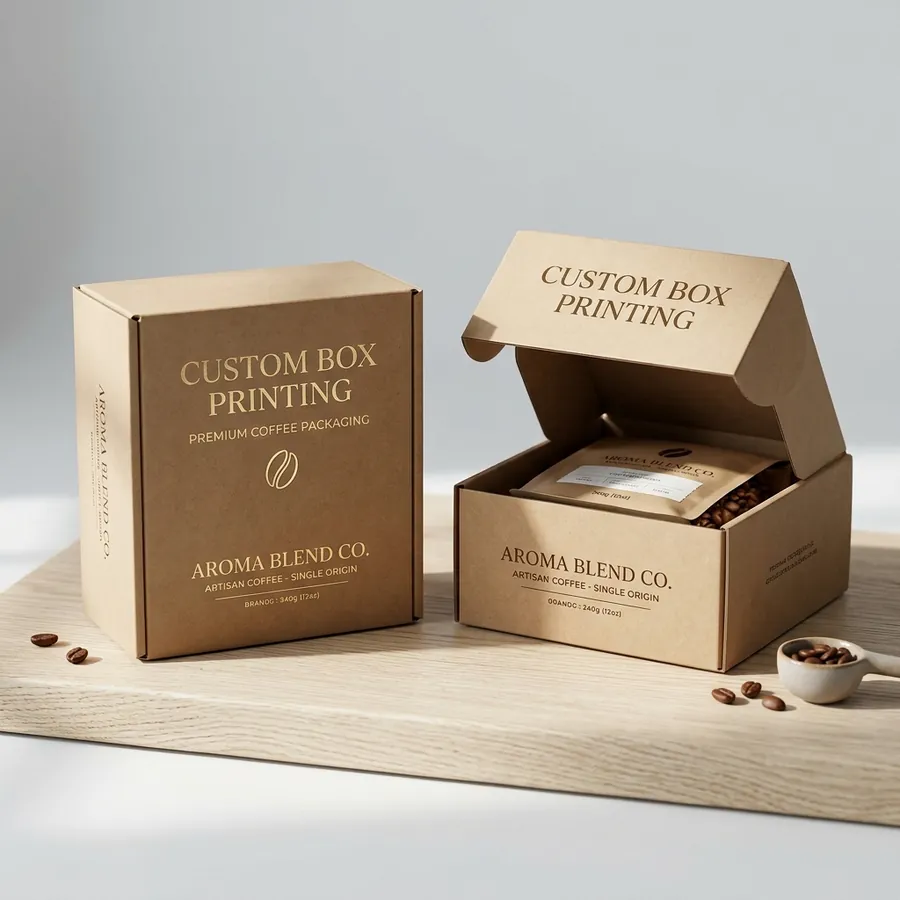
Coffee is at its best soon after roasting, then it fades. Air, light, and moisture all speed that up. So coffee packaging has a real job: keep the beans fresh and make the brand look great. This guide shows US roasters and cafes how to lock in freshness, pick the right format, and brand it well. It is written in plain terms.
Quick answer: coffee packaging in four points
- Freshness first. Use a barrier bag with a one-way degassing valve.
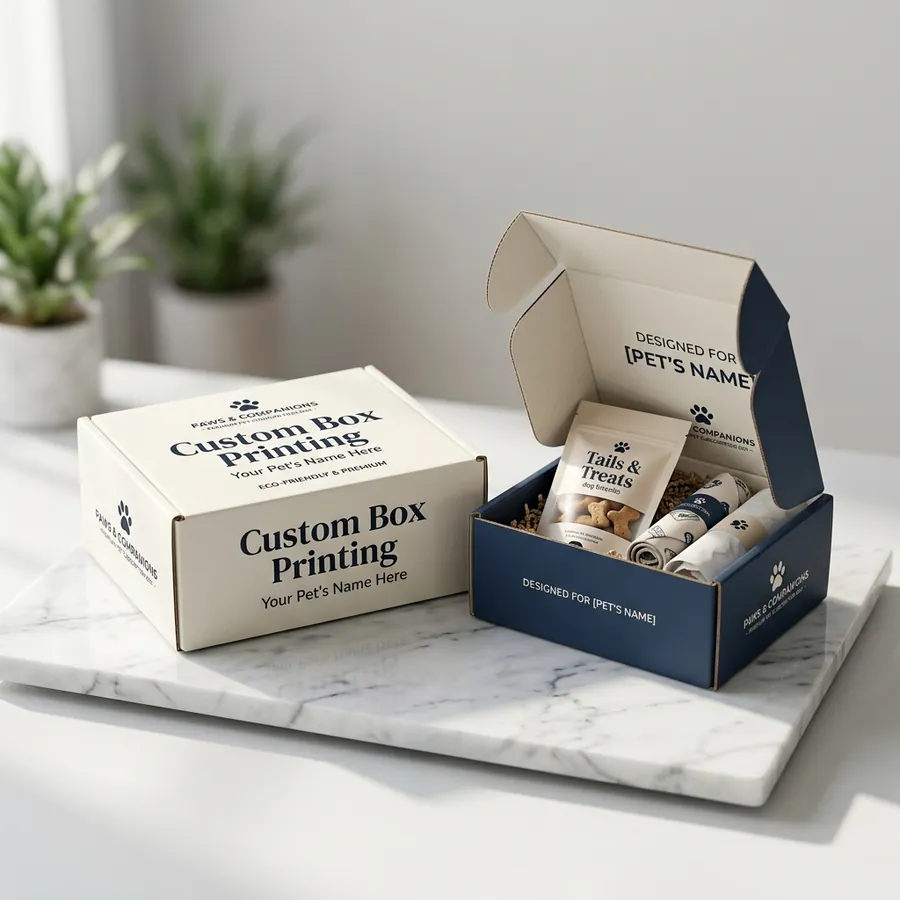
- Bag plus box. The bag protects beans; a printed box sells the brand.
- Show the roast date. Specialty buyers read it closely.
- Brand it. Tell your origin and roast story on the box.
How do I keep coffee fresh?
Fresh coffee gives off gas for days after roasting. It also hates oxygen. The fix is a high-barrier bag with a one-way degassing valve. The valve lets the gas out. The barrier keeps air, light, and moisture out. Box that bag in a branded carton and you protect the beans while standing out on a shelf. See our coffee boxes and barrier bags.
Bags, boxes, or pods?
Coffee sells in a few formats. Here is a quick guide.
| Format | Best for | Why it works |
|---|---|---|
| Barrier bag + valve | Whole bean and ground | Keeps beans fresh and vents gas |
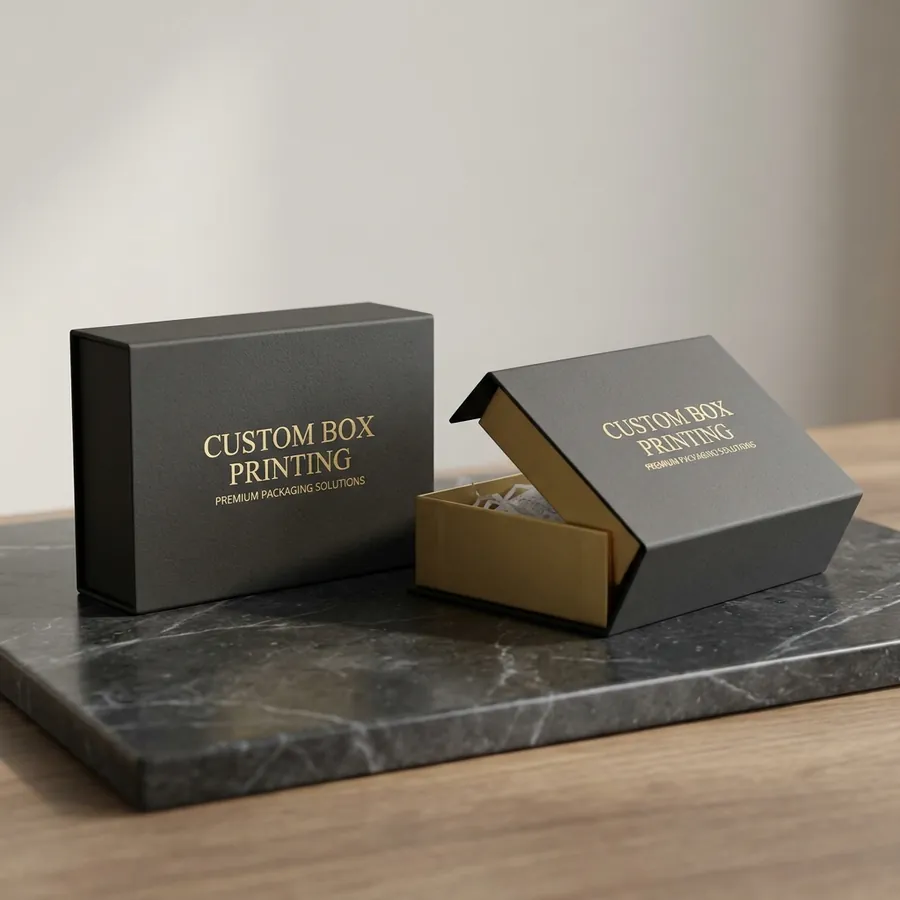
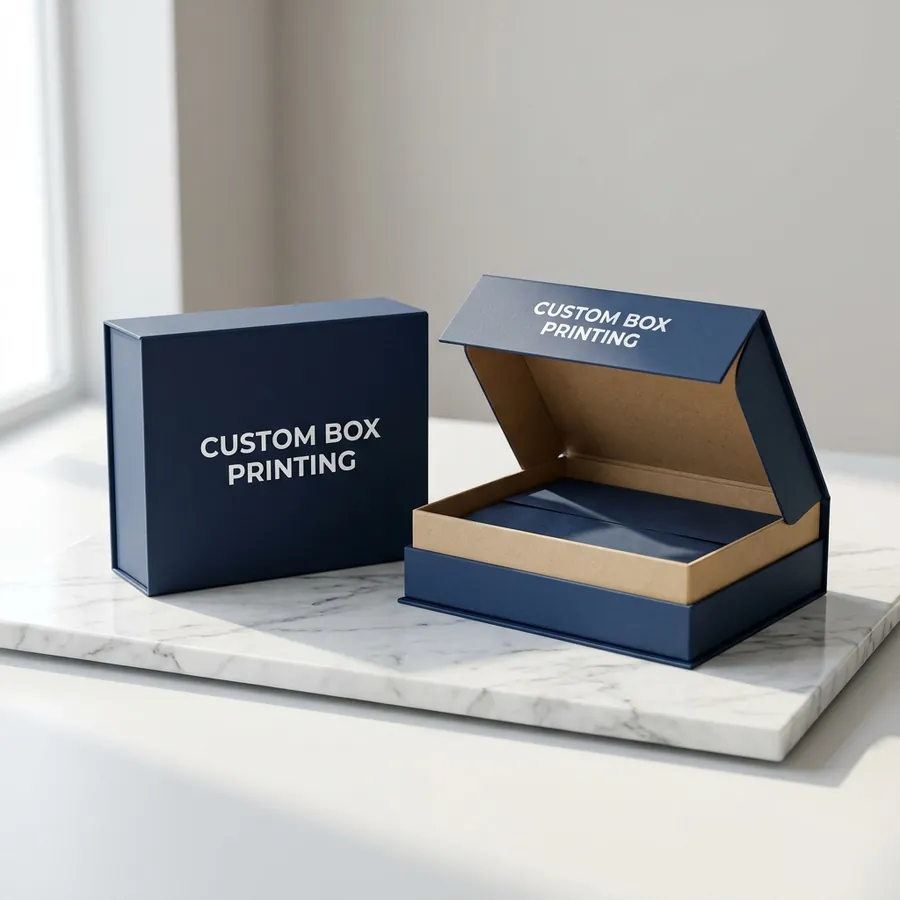
| Printed box (with bag inside) | Retail and gifts | Brand impact and easy stacking |
| Pod pack | Single-serve | Holds pods neatly for shelf and subscription |
| Sampler or flight box | Gifts and trials | Inserts present several roasts together |
What should a coffee label include?
Specialty buyers read the details. Make room for:
- Roast level, from light to dark.
- Origin or blend name.
- Net weight.
- A clear roast date, which signals freshness.
How do I brand coffee packaging?
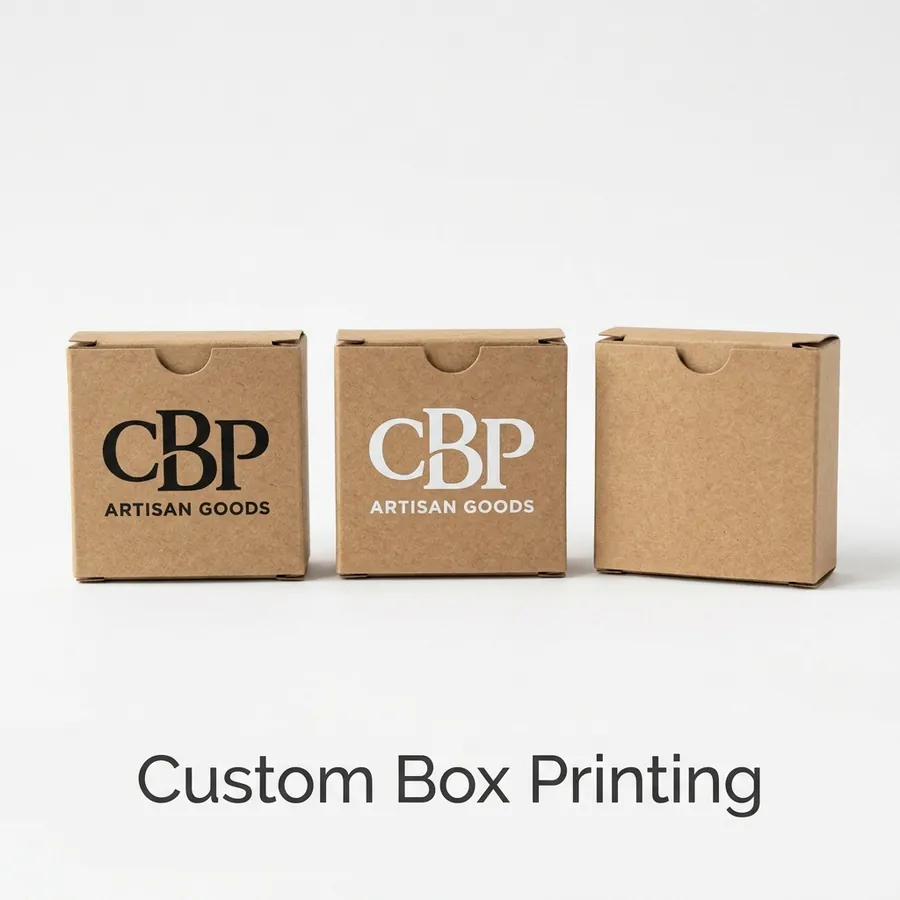
Coffee is sold on story. Use your box to tell the origin, the roast, and the small-batch care. Kraft and natural stocks suit single-origin and craft brands; see kraft boxes. Matte and soft-touch finishes read as specialty quality. A window can show the beans on gift packs.
Coffee, tea, and subscriptions
Keep your range consistent. Pair coffee with tea boxes for a full beverage line. For coffee-of-the-month clubs, use subscription boxes and reinforced mailer boxes to ship beans safely. See the wider food and beverage range.
How much does coffee packaging cost?
Cost depends on the format, size, finish, and quantity. A barrier bag with a valve costs more than a plain bag. Larger orders cost less per unit. Runs start at 100 units with no setup or die fees. For a full breakdown, see how much custom boxes cost.
Frequently asked questions
What is the best packaging to keep coffee fresh?
A high-barrier bag with a one-way degassing valve is best. The valve lets gas escape without letting air in, and the barrier blocks oxygen, light, and moisture that make coffee go stale.
What is a degassing valve?
A degassing valve is a small one-way vent on a coffee bag. Fresh-roasted beans give off carbon dioxide, and the valve lets it out while keeping oxygen from getting in.
Should I use bags, boxes, or both?
Most roasters use a barrier bag for freshness inside a printed box for shelf and gift appeal. The bag protects the beans; the box carries the brand and stacks well.
What should a coffee label include?
Include the roast level, origin or blend, net weight, and a roast date. Specialty buyers read roast dates closely, so a clear date builds trust.
Is there a minimum order for coffee packaging?
Runs start at 100 units with no setup or die fees, so a small roaster can launch a single blend or a full line without a large minimum.
Can you package coffee pods and sampler sets?
Yes. We make pod packs and sampler or flight boxes with inserts that hold each pod or bag, which suit subscriptions and gift sets.
Ready to package your roast? Custom Box Printing makes coffee boxes and barrier bags for US roasters and cafes, with free design help, a sample (refunded on your first order), and free US shipping, starting at 100 units. Request a free quote to get started.
Ordering custom boxes — common questions
What is the minimum order for custom boxes?
Runs start at 100 units for folding cartons (cosmetic, food, bakery, CBD, mailer), 50 units for rigid setup boxes, and 5,000 units for printed paper (deli, butcher, tissue, kraft, sandwich wrap). No die, plate, or setup fees at any quantity.
Do you ship custom boxes free in the US?
Yes — standard shipping is free anywhere in the contiguous United States on every order. Rush production (3–5 business days) and expedited shipping are available for an additional fee.
How long does a custom box order take?
Typical timeline is 1 business day for a quote, 1–2 days to approve a free 3D digital mockup, then 7–10 business days for production plus 2–5 business days for free US shipping. Rush production is available on request.
Can I see a sample before I commit to a full order?
Yes — free 3D digital mockup with every quote, and a physical sample on request (refunded on your first order) before you place a production run. You can also design and preview your box live in our free 3D box designer.
What artwork files do you need to start printing?
Print-ready PDF, AI, EPS, or PSD at 300 DPI in CMYK with 0.125" bleed is ideal. Don't have artwork? Our in-house design team builds your dieline and preps files at no cost — just send your logo and any brand references.
Do you charge setup, plate, or die-cutting fees?
No — there are no setup, plate, die, or tooling fees at any quantity. Custom dielines, artwork prep, 3D mockups, and physical samples are all included free with every order.